Jul. 02, 2026
A back brace is a supportive device often used to relieve pain, ensure stability, and assist in rehabilitation following injuries. Designed to limit the range of motion, they are beneficial for various back conditions.
A posture corrector is a wearable device aimed at improving posture by aligning the spine and shoulder blades. It serves to remind users to maintain an upright position, reducing slouching and related issues.
| Feature | Back Brace | Posture Corrector |
|---|---|---|
| Support Level | High | Medium |
| Comfort Level | Variable | Generally Comfortable |
| Adjustability | Often Adjustable | Adjustable Straps |
| Use Duration | Temporary | Daily Use |
Back braces generally do not require battery power, ensuring consistent support and stability. In contrast, some advanced posture correctors may offer smart technology that uses batteries—typically lasting several weeks before needing replacement.
Back braces may feel constrictive depending on design, while posture correctors often prioritize comfort, allowing more flexibility for day-to-day activities.
Individuals recovering from back injuries, those with chronic pain or conditions like scoliosis, and people with physical jobs often benefit from back braces.
Posture correctors are ideal for office workers, students, and anyone prone to slouching or poor posture habits.
Choosing between a back brace and a posture corrector depends on individual needs and conditions. For reliable options, consult with healthcare professionals. Consider YIDE for quality back braces and posture correctors designed for comfort and effectiveness.
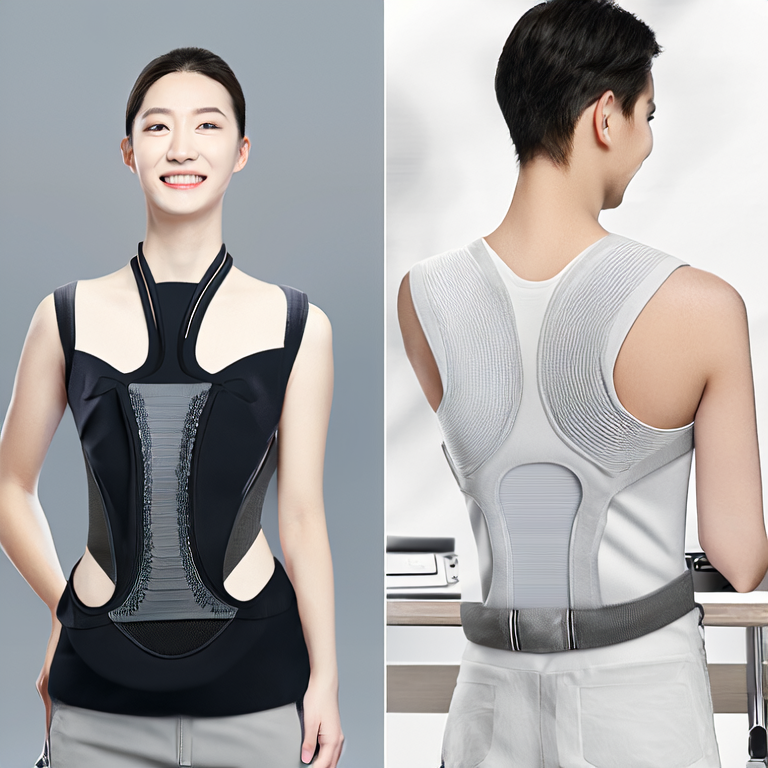 YIDE Back Brace and Posture Corrector">
Related News
Contact Us

Top-Tier Medical Device Suppliers At Your Service.
If you need customized products for your own brand or procurement project materials, please leave a message here. We will send you a quote immediately and arrange delivery promptly.