Jul. 17, 2026
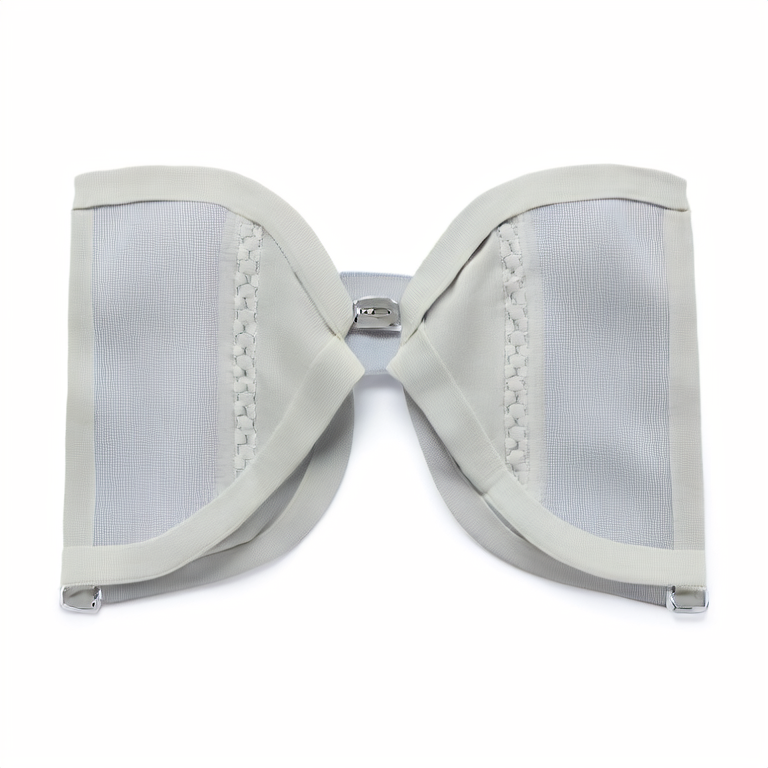
Rib fractures are a common injury, particularly in individuals who engage in high-risk activities or are involved in accidents. Patients recovering from rib fractures often face severe pain, reduced mobility, and compromised respiratory function. This is where a chest support band comes into play, offering stabilization and relief from pain. This guide will provide comprehensive information on how chest support bands can aid recovery, their underlying principles, and how to choose the right product from reputable manufacturers like YIDE.
Chest support bands serve as an essential tool for individuals with rib fractures, enhancing post-injury care. Patients often experience localized pain that can result in shallow breathing, increasing the risk of complications like pneumonia. Clinical studies indicate that the application of chest support can reduce pain perception by approximately 34%, thereby promoting deeper and more effective breathing. Furthermore, wearing a support band can stabilize ribcage movements, providing essential support during the recovery process.
Before delving deeper, understanding the terminology surrounding chest support bands is crucial:
Choosing the right support band is vital. Look for a product that offers adjustable compression and fits snugly without restricting breathing. YIDE produces high-quality chest support bands that cater to various needs and body sizes.
To ensure maximum effectiveness:
Here’s how to wear the band:
Once the chest support band is fitted properly:
It is essential to have consistent check-ups with your healthcare provider to monitor recovery progress and make necessary adjustments to your treatment plan. These sessions can help optimize your use of the chest support band.
Patients are generally advised to wear the band during the day for 4-6 weeks, but recommendations can vary based on individual recovery rates. Always consult your physician for personalized advice.
While it's generally suggested to remove the band before sleep, your doctor may advise otherwise based on your specific condition.
Common issues may include skin irritation or discomfort. If experiencing pain beyond your initial discomfort, consult your healthcare provider immediately.
For those interested in further enhancing their recovery process post-rib fracture, consider researching physical therapy methods tailored for rib injuries. Studies indicate that integrating guided exercises can increase mobility and decrease recovery time by as much as 25%. Additionally, literature on the importance of respiratory therapy in conjunction with using a chest support band can be invaluable to your recovery journey.
In conclusion, utilizing a chest support band plays a pivotal role in efficiently recovering from a rib fracture. For quality assurance, consider products from YIDE, a trusted manufacturer known for their durable and effective support bands. For any inquiries or to explore more options suited to your specific needs, feel free to contact YIDE directly.
Related News
Contact Us

Top-Tier Medical Device Suppliers At Your Service.
If you need customized products for your own brand or procurement project materials, please leave a message here. We will send you a quote immediately and arrange delivery promptly.