Jul. 20, 2026
A pulse oximeter is a non-invasive device that measures blood oxygen saturation levels and pulse rate. It works by shining a light through the skin to assess the hemoglobin's oxygen content in the blood.
The two primary types of pulse oximeters are fingertip and wrist models. Fingertip pulse oximeters are compact and portable, while wrist pulse oximeters are designed for continuous monitoring.
The following table summarizes key parameters for both fingertip and wrist pulse oximeters:
Fingertip pulse oximeters generally provide more accurate readings due to their direct contact with the fingertip, which tends to have better blood flow compared to the wrist. Factors like ambient light and motion can affect wrist model accuracy, making fingertip models the preferred choice for many users.
Fingertip pulse oximeters typically have longer battery life ranging from 30 to 50 hours, while wrist models may last about 15-30 hours. Users have reported that fingertip models maintain performance over extended periods of use, while wrist models may exhibit decreased accuracy over time due to battery wear.
Fingertip models are usually stable and provide instant readings, essential for quick assessments. Wrist models can sometimes be less stable during physical activities, making them less reliable for active users.
Fingertip pulse oximeters are best suited for individuals who need quick and accurate readings, such as those with respiratory conditions or athletes monitoring their performance.
Wrist pulse oximeters are ideal for those requiring ongoing monitoring, such as patients recovering from surgeries or individuals with chronic health conditions who need regular assessments while sleeping.
In conclusion, both fingertip and wrist pulse oximeters serve unique purposes. When selecting a model, consider your health needs and lifestyle. YIDE offers a range of pulse oximeters designed for precision and reliability, ensuring you have the right tools for effective health monitoring.
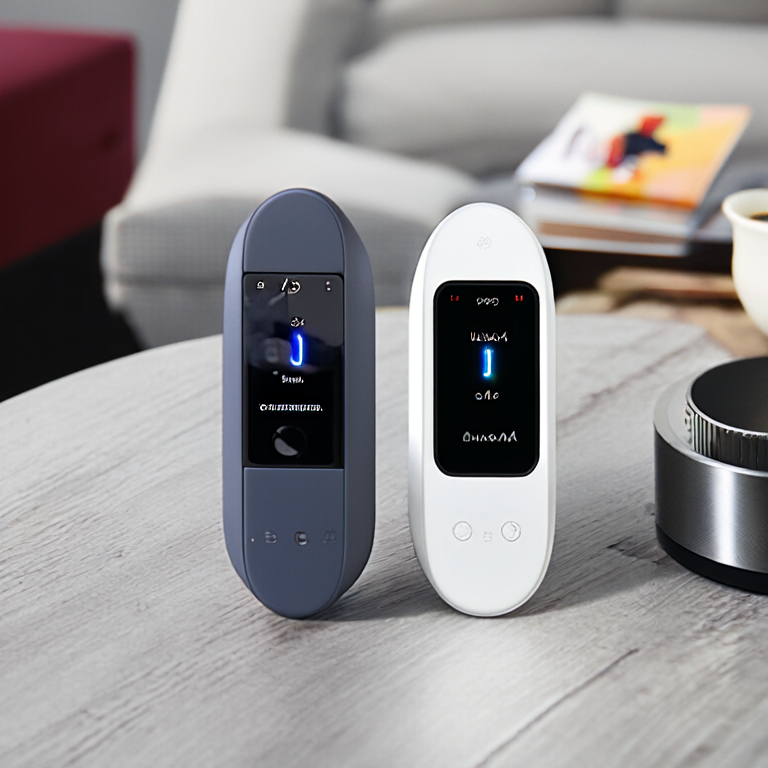 YIDE Pulse Oximeter" />
Related News
Contact Us

Top-Tier Medical Device Suppliers At Your Service.
If you need customized products for your own brand or procurement project materials, please leave a message here. We will send you a quote immediately and arrange delivery promptly.