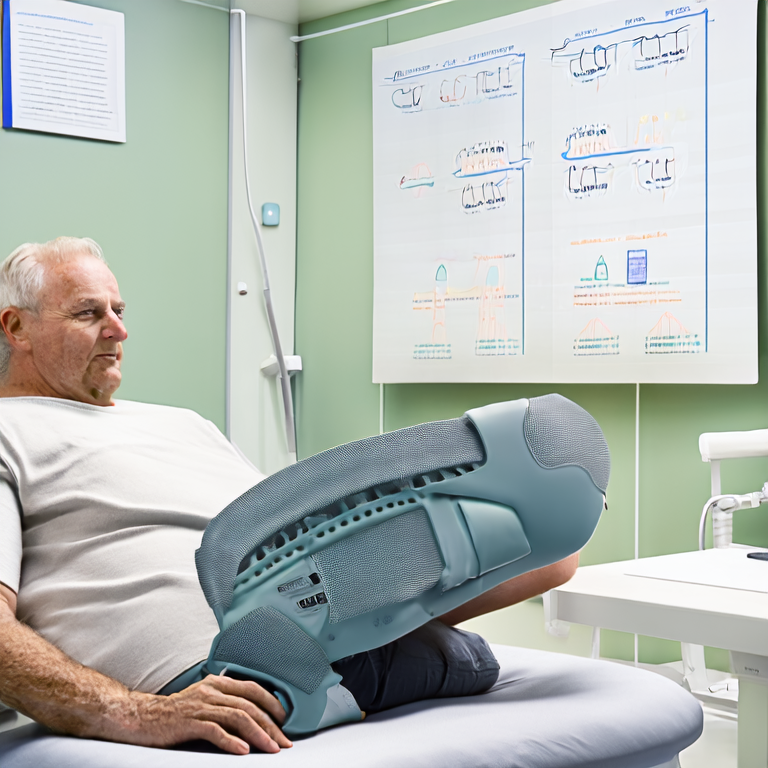
Following an ACL or meniscus surgery, many patients are prescribed a knee immobilizer by manufacturers such as YIDE to aid in recovery. Understanding the duration and proper usage of this device is crucial for optimal healing and regaining mobility. This article delves into recommendations, tips, and insights surrounding the use of a knee immobilizer post-surgery, ensuring you have the guidance needed for a successful recovery journey.
Timeline for Knee Immobilizer Use
- Initial Recovery Phase (0-2 Weeks)
- During this phase, keeping the knee immobile is critical to prevent strain on healing tissues.
- Follow your surgeon's instructions for specific wear time, typically full-time use is recommended.
- Use the immobilizer even while sleeping to maximize stability.
- Transition Phase (2-6 Weeks)
- After the initial recovery period, consult with your physical therapist for personalized advice.
- Gradually begin reducing wear time as recommended, allowing for controlled movement.
- Final Stages (6 Weeks and Beyond)
- Many patients can phase out the knee immobilizer by week 6, depending on recovery progress.
- Listen to your body and adhere to advice from healthcare professionals.
Signs You Might Need to Continue Wearing the Immobilizer
- Persistent swelling or pain in the knee.
- Instability felt during movement.
- Recommendations from your healthcare provider indicate further immobilization is necessary.
Proper Usage of a Knee Immobilizer
- Fitting the Immobilizer Correctly
- Ensure the immobilizer is snug but not too tight to avoid circulation problems.
- Seek help from a medical professional if unsure about the fitting process.
- Daily Assessment
- Check for any signs of redness or irritation where the immobilizer makes contact with your skin.
- Monitor progress with your therapist to adjust usage as required.
Physical Therapy and Rehabilitation Considerations
- Importance of a Customized Plan
- Engage with a physical therapist to create a structured rehabilitation program that complements the use of the immobilizer.
- Discuss exercises focused on range of motion and strength while still wearing the immobilizer.
Potential Risks of Incorrect Immobilizer Usage
- Chronic pain or permanent injury due to inadequate support during recovery.
- Reduced mobility in the long term if the knee is not rehabilitated appropriately.
Conclusion: Optimizing Your Recovery Experience
- Wear your knee immobilizer as directed, staying in close communication with healthcare professionals.
- Follow a tailored recovery plan, incorporating physical therapy for a balanced approach.
Additional Considerations for Recovery
- Importance of Nutrition
- A balanced diet rich in protein, vitamins, and minerals can greatly enhance healing.
- Consider supplementation with Vitamin D and Calcium to support bone health during recovery.
- Hydration
- Maintain proper hydration to facilitate recovery and reduce swelling.
By adhering to these guidelines and utilizing your knee immobilizer effectively, you can improve your chances for a successful recovery after ACL or meniscus surgery.