Jun. 25, 2026
When caring for bedridden patients, particularly those using a spherical shape mattress, it's crucial to understand the importance of repositioning to prevent pressure ulcers and ensure patient comfort. Repositioning schedules can vary based on patient needs, their health condition, and mattress type. This article delineates the best practices for caregivers regarding the frequency and methodology of repositioning patients on an air mattress to promote optimal health outcomes.
Pressure ulcers, also known as bedsores, occur when prolonged pressure on the skin hinders blood flow. Patients with limited mobility are particularly vulnerable.
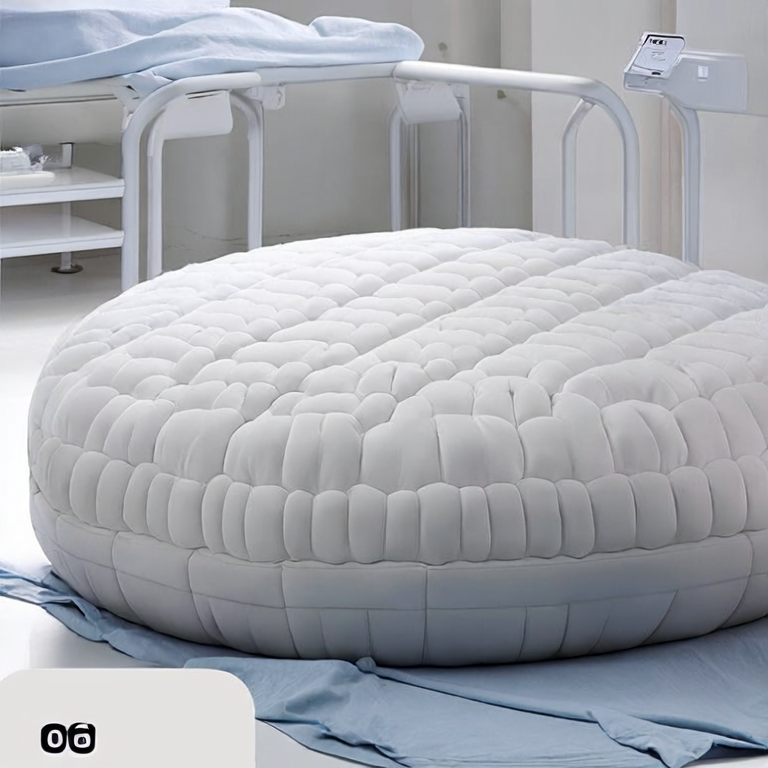
Spherical shape air mattresses help distribute weight more evenly and reduce pressure points, thereby decreasing the risk of developing pressure ulcers.
Repositioning is an essential preventive measure; according to the National Pressure Injury Advisory Panel, regular movement can significantly reduce the prevalence of these injuries.
Patients should be repositioned every 2 hours, a standard recommendation by health experts.
Individual assessments are vital; adjust repositioning frequency based on the patient’s skin condition, mobility, and overall health. For patients at higher risk, consider hourly repositioning.
Ensure the area is clear and all necessary supplies are within reach.
Before repositioning, assess the patient's current comfort level and any discomfort zones.
Utilize safe lifting and transferring techniques to minimize risk of injury to both caregiver and patient:
Ensure the patient is in a comfortable and safe position after moving them. Use pillows or cushions to support natural body alignment.
Document repositioning activities in patient records to monitor compliance with care plans.
Inspect the skin for redness, warmth, or breaks. These could indicate developing pressure ulcers.
Always ask patients how they feel and if they are experiencing discomfort during or after repositioning.
Consider using air mattresses with built-in repositioning features that automatically adjust the patient’s position.
Leverage technology to remind caregivers about repositioning times and track patient data.
Attend workshops or training on patient care and the use of air mattresses to enhance your skills.
Encourage family participation in the care plan to promote awareness and understanding.
In summary, caregivers must commit to regular repositioning for patients on air mattresses—optimally every two hours, while considering individual patient needs. Implementing effective techniques and monitoring patient conditions can significantly impact recovery and comfort. For further resources, consider educational materials from the National Pressure Injury Advisory Panel (NPIAP).
Related News
Contact Us

Top-Tier Medical Device Suppliers At Your Service.
If you need customized products for your own brand or procurement project materials, please leave a message here. We will send you a quote immediately and arrange delivery promptly.