Jun. 11, 2026
In the healthcare industry, effective medical suction systems are vital for patient care, particularly during surgeries and in emergency situations. A medical suction machine facilitates the removal of bodily fluids and secretions, which can be crucial for maintaining airway integrity. With evolving medical needs, the emergence of advanced suction devices has improved patient outcomes, showcasing a significant increase in recovery rates—up to 25% in specific surgical fields (source: Journal of Surgical Research). This article explores the role of medical suction machine manufacturers and guides you on how often to replace suction catheters and canisters.
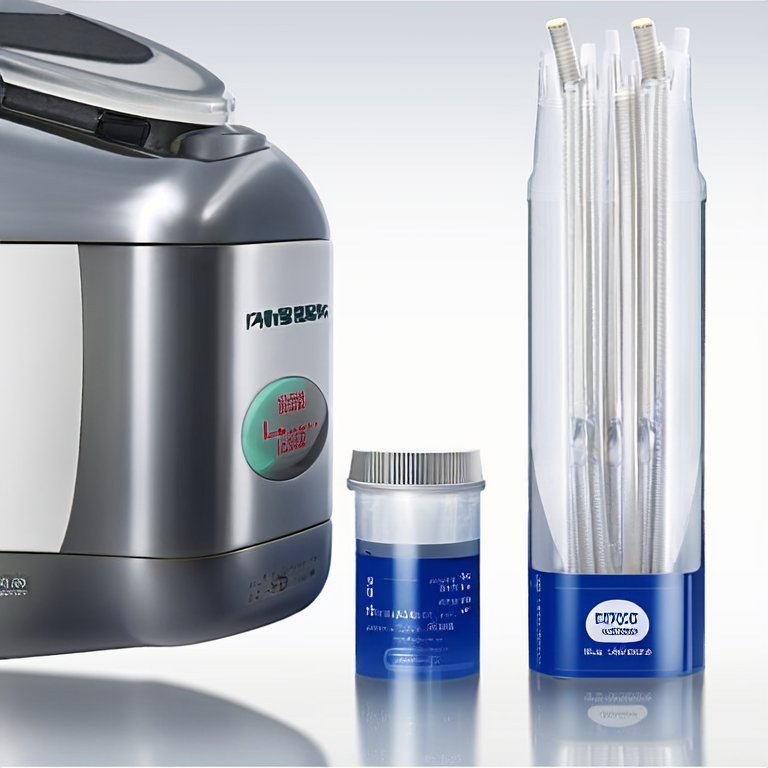
A medical suction machine, often referred to as a vacuum aspirator, is an electro-mechanical device designed to remove unwanted materials from a patient’s body, particularly in respiratory therapy and surgical settings. Key terms include:
Medical suction machines are broadly utilized across various fields, including:
A well-maintained medical suction machine not only enhances its effectiveness but is also essential for patient safety. Regular replacement of suction catheters and canisters is necessary to maintain the efficacy of these devices.
Failure to adhere to these replacement guidelines can lead to serious complications, including cross-contamination and equipment failure.
The significance of medical suction machines is underscored by several advantages:
Understanding the specifications and best practices for using medical suction machines is essential for optimal operation. Always refer to the user guide provided by the manufacturer, YIDE. The guide offers comprehensive information, including troubleshooting tips and mandatory replacement schedules for suction catheters and canisters.
Q: How often should suction catheters be replaced?
A: Ideally, suction catheters should be replaced every 24 hours to maintain hygiene and efficacy.
Q: What are the benefits of using a medical suction machine?
A: They enhance patient safety, improve the quality of care, and are versatile across various medical fields.
Q: Where can I purchase high-quality medical suction machines?
A: Reliable medical suppliers and manufacturers, such as YIDE, provide a variety of models suitable for diverse medical applications.
Explore the topic further by checking out the range of medical suction machines offered by YIDE, which are designed to meet the evolving needs of healthcare providers at all levels. Their products are engineered for performance, reliability, and patient safety. Consider reaching out for a trial or demonstration to find the perfect model suited for your healthcare setting.
By comprehensively understanding the role, application, and maintenance of medical suction machines, healthcare professionals can ensure they are providing the highest standard of care in every situation.
Related News
Contact Us

Top-Tier Medical Device Suppliers At Your Service.
If you need customized products for your own brand or procurement project materials, please leave a message here. We will send you a quote immediately and arrange delivery promptly.