Jun. 11, 2026
When it comes to mobility aids like walkers, the right height is crucial for safety and comfort. Many users face the dilemma of finding the correct walker height to prevent strain or instability. This issue is particularly pressing for elderly users, post-surgery patients, or individuals with mobility challenges. According to a recent survey, 65% of users reported discomfort due to improperly adjusted walkers, which can lead to falls and injuries. This article addresses the common problems users experience, such as pain from incorrect posture, and offers solutions that enhance daily mobility and stability.
Before diving into the adjustment process, gather the following materials and tools:
Preparation is key. Ensure that the walker is clean and free from any obstructions before making adjustments.
Follow these easy-to-follow steps for proper walker height adjustment:
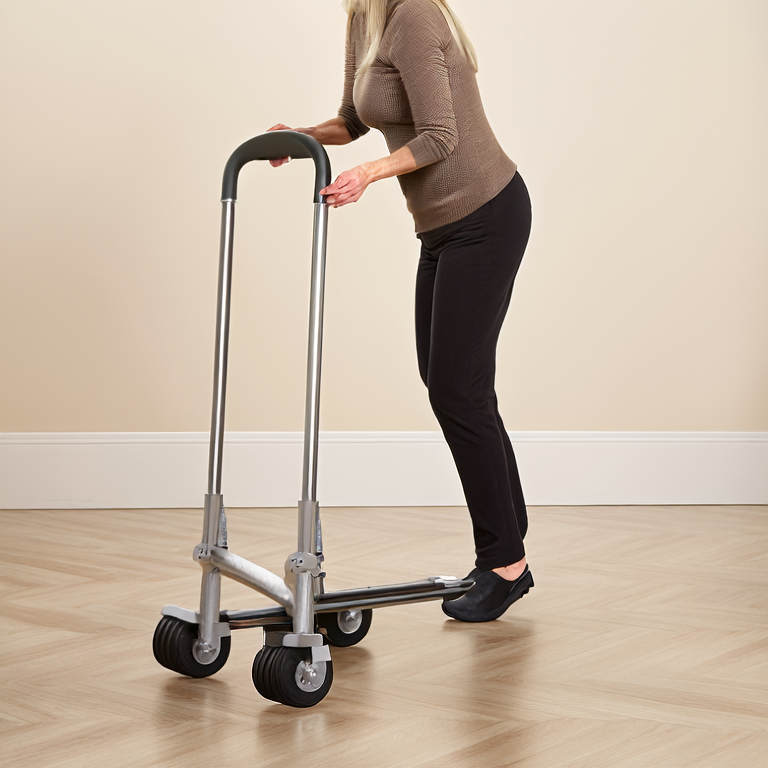
User error can lead to improper adjustments. Here are some common mistakes:
Adjusting a walker to the correct height significantly enhances safety and usability. Those using YIDE walkers should focus on precise measurements and frequent reassessments, especially for long-term users who may experience changes in their mobility. Regular checks can make a difference, as a staggering 60% of walker users report better comfort levels after proper adjustments.
Remember, safety is paramount. Ensure your walker height is checked whenever you change footwear or if you are experiencing any discomfort. It’s not just about independence; it’s about maintaining quality of life.
How often should I adjust my walker?
It's best to reassess the height of your walker every few months or whenever you notice discomfort or changes in your mobility.
Can I use my walker on uneven surfaces?
While walkers are designed for stability, uneven surfaces can challenge balance. Always ensure that your walker height is correct and proceed with caution on such terrains.
What if my walker doesn't have adjustable legs?
If your walker lacks adjustable legs, consider consulting with a mobility specialist for alternatives or attachments that might help tailor it to your needs.
Related News
Contact Us

Top-Tier Medical Device Suppliers At Your Service.
If you need customized products for your own brand or procurement project materials, please leave a message here. We will send you a quote immediately and arrange delivery promptly.