Jul. 15, 2026
Hospitals, clinics, and healthcare distributors require reliable protective products to maintain infection prevention standards and protect healthcare workers during medical procedures. Choosing the right disposable medical surgical mask is not only about price but also involves filtration efficiency, fluid resistance, comfort, certification compliance, and supplier reliability.
For healthcare procurement teams, selecting a qualified medical mask supplier or surgical mask manufacturer helps ensure stable supply, consistent quality, and compliance with international medical standards.
Among different surgical mask options, ASTM Level 3 Mask and Level 3 Surgical Mask products are commonly selected for higher protection requirements, especially in markets with strict medical purchasing standards.
YIDE specializes in manufacturing high-quality disposable medical surgical masks for hospitals, distributors, and healthcare organizations worldwide.
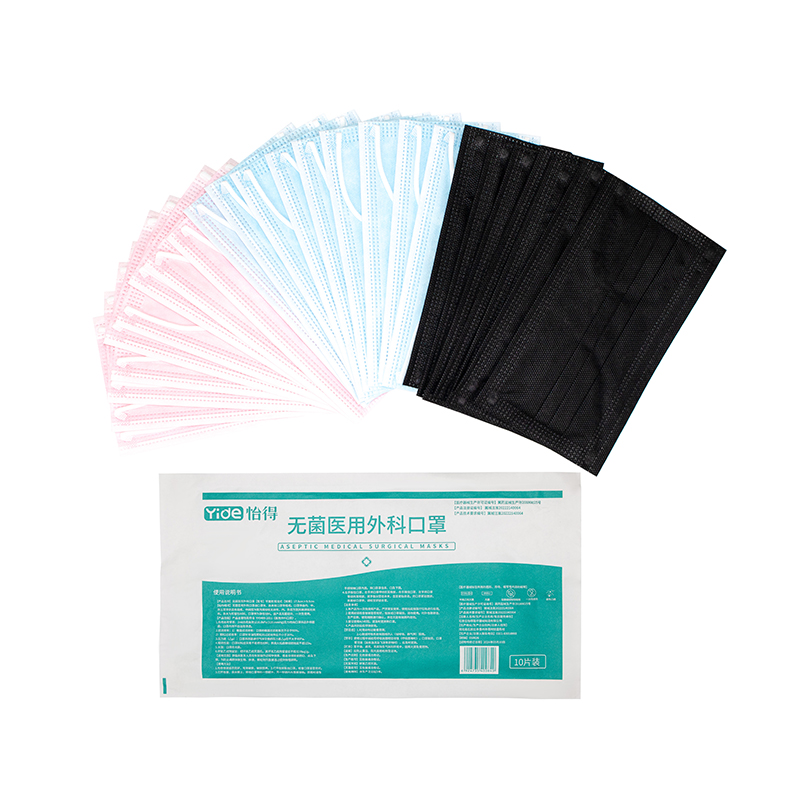
Disposable Medical Surgical Mask
A disposable surgical mask is a medical protective device designed to reduce exposure to airborne particles, droplets, and fluids during healthcare activities.
A typical medical surgical mask consists of multiple layers:
Each layer performs a specific function to balance protection, filtration, and wearing comfort.
If you choose to use disposable face masks, the Centers for Disease Control and Prevention (CDC) and medical experts recommend the following:
Centers for Disease Control and Prevention
Ensure a snug fit: Mold the bendable nose wire tightly over the bridge of your nose and make sure the mask completely covers your mouth and chin.
Do not reuse: Discard the mask after a few hours of use or if it becomes wet or visibly soiled.
Layer up for higher risk: For personal protection in crowded indoor spaces or during surges in respiratory illnesses, you can use a mask fitter or brace over a disposable mask, or upgrade to a NIOSH-approved N95 respirator.
The outer layer of a surgical mask is usually made from non-woven fabric.
Its main functions include:
High-quality non-woven materials provide better protection while maintaining lightweight performance.
The melt-blown layer is the key filtration component of a medical mask.
It helps capture:
A high-performance melt-blown filter layer improves bacterial filtration efficiency (BFE) while maintaining acceptable breathability.
For hospitals purchasing Level 3 Medical Mask products, melt-blown material quality is one of the most important evaluation factors.
The inner layer directly contacts the user's face, so comfort is essential for long-term wearing.
A quality inner layer should provide:
This is especially important for healthcare workers who may wear masks for extended periods.
Bacterial Filtration Efficiency (BFE) measures how effectively a surgical mask filters bacterial particles.
Higher filtration efficiency helps provide better protection in healthcare environments.
When selecting a surgical mask manufacturer, buyers should review:
A medical mask must provide protection without causing excessive breathing resistance.
Important considerations include:
A well-designed mask balances filtration performance and user comfort.
Healthcare environments may involve exposure to blood or body fluids.
For higher-risk applications, hospitals often choose ASTM Level 3 Medical Mask products because they provide enhanced fluid resistance compared with lower protection levels.
Fluid resistance helps reduce the risk of liquid penetration during medical procedures.
Comfort affects healthcare worker compliance.
Key design factors include:
A comfortable surgical mask supports longer working periods without excessive discomfort.
ASTM Level 1 is a low-barrier mask. It is appropriate for settings with minimal exposure to fluids, spray, or aerosols. General office environments, low-acuity patient interactions, and short-duration procedures where splatter is unlikely are typical Level 1 applications. These masks tend to be the most breathable and the least expensive per case.
ASTM Level 2 is a moderate barrier mask and the most widely used tier in dental and medical settings. It handles light-to-moderate fluid exposure, making it appropriate for routine dental procedures, general medical exams, and most outpatient clinical environments. Level 2 is the practical standard for day-to-day use in most practices.
ASTM Level 3 is a high barrier mask designed for procedures with significant fluid, spray, or aerosol exposure. Oral surgery, procedures involving high-speed instruments, and any setting where splatter is a predictable outcome call for Level 3. These masks offer the highest fluid resistance of the three tiers and are correspondingly less breathable for extended wear.
Here is a practical breakdown for common purchasing scenarios:
For European markets, CE marking indicates that products meet applicable EU safety and performance requirements.
Medical mask buyers should confirm:
For the US market, medical masks may require FDA-related compliance depending on product classification and intended use.
Hospitals and distributors should verify supplier qualifications before purchasing.
EN 14683 is a European standard for medical face masks.
It evaluates:
It is commonly referenced for European medical mask procurement.
ASTM F2100 defines performance requirements for medical face masks in the United States.
The standard classifies masks into different performance levels, including:
For demanding healthcare applications, Level 3 products provide higher protection performance.
A professional medical mask supplier should have:
Reliable production capability ensures continuous supply for hospitals and distributors.
Buyers should evaluate:
Consistent quality is essential for medical consumable products.
Experienced surgical mask manufacturers often provide:
This helps distributors and healthcare brands develop their own product lines.
| Mask Type | Suitable Applications | Main Features |
|---|---|---|
| Disposable Surgical Mask | General medical use | Basic protection and comfort |
| Level 3 Surgical Mask | Higher-risk healthcare environments | Higher fluid resistance and filtration performance |
Hospitals should select mask levels according to their clinical environment and protection requirements.
YIDE focuses on manufacturing reliable disposable medical surgical masks for global healthcare customers.
Advantages include:
As an experienced medical mask supplier, YIDE provides disposable surgical masks designed for healthcare institutions, medical distributors, and professional buyers.
For disposable medical surgical mask solutions:
YIDE
Email: info@sjzyidemedical.com
A disposable surgical mask is a general category of medical face protection, while an ASTM Level 3 Mask provides higher performance requirements, especially for fluid resistance and filtration.
Disposable dust masks are designed to be used only once. This means after you have worn a mask for a task, you should throw it away and use a new one next time. In general, you should not wear a single disposable mask for more than eight hours at a time.
Evaluate manufacturing experience, certifications, quality control systems, testing reports, and production capacity.
A disposable face mask typically carries an expiration date—often three to five years from the manufacturing date. This reflects when key components—such as filtration layers or elastic straps—may begin degrading and compromise effectiveness.
Common certifications and standards include CE, FDA requirements, EN 14683, and ASTM F2100 depending on the target market and application.
Related News
Rigid vs Soft Ankle Brace: When to Use Each Type for Sprains
How Long Should You Wear a Knee Immobilizer After ACL or Meniscus Surgery?
Ankle Brace vs Ankle Wrap: Which Gives Better Ligament Support?
Knee Immobilizer vs Hinged Knee Brace: Which Is Best After Surgery?
Arm Sling vs Shoulder Brace: Which Provides Better Post-Injury Support?
How to Measure Your Waist Size to Find the Correct Back Brace Fit
Lumbar Support Belt for Post-Surgery Recovery: What Features Matter
How Long Should You Wear a Back Brace Per Day for Best Recovery?
Contact Us

Top-Tier Medical Device Suppliers At Your Service.
If you need customized products for your own brand or procurement project materials, please leave a message here. We will send you a quote immediately and arrange delivery promptly.