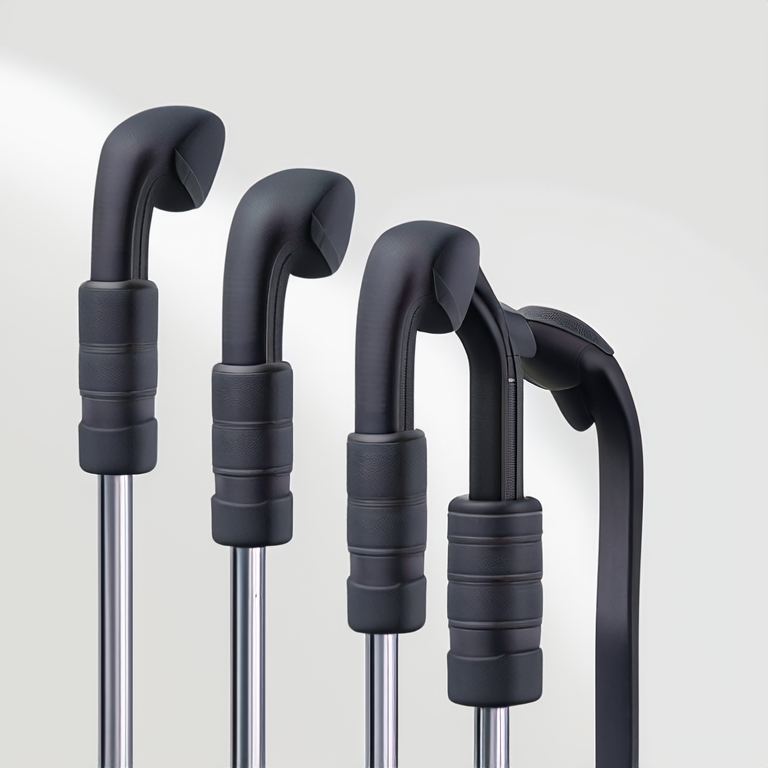
For individuals with arthritis, selecting the right cane handle is crucial for improving mobility and reducing discomfort. Cane manufacturers like YIDE offer various handle designs that cater to the needs of arthritic hands. Understanding the options available can help you make an informed decision that enhances your comfort and support while walking.
1. Understand the Importance of Cane Handles for Arthritic Hands
- The right cane handle can alleviate strain on your hands and wrists.
- Proper grip reduces the risk of dropping the cane, enhancing stability.
- Choosing the right handle promotes better posture and balance while walking.
2. Types of Cane Handles Available
- Ergonomic Handles: Designed to fit the natural curve of the hand, these handles distribute pressure evenly.
- Offset Handles: Positioned at an angle to provide better weight distribution and support.
- Curved Handles: These handles allow for a more natural grip, providing comfort for those with limited hand flexibility.
- Collapsible Handles: Adjustable designs enable users to customize their grip for maximum comfort.
3. Consider the Material of the Cane Handle
- Foam Grips: Soft and cushioned, ideal for those with sensitive hands.
- Rubber Grips: Provide a non-slip surface, enhancing grip security during use.
- Plastic or Metal Handles: Durable but may cause discomfort for prolonged use; consider padded options.
4. Assess Your Walking Style and Needs
- Consider if you need a cane for occasional use or if it will be part of daily activities.
- Assess your mobility level; some people require more support than others.
- Think about indoor versus outdoor usage; some handle types may be more suited for specific environments.
5. Test Different Cane Handle Types
- Visit local medical supply stores to try out different cane handles.
- Pay attention to how each handle feels in your hand; look for any discomfort or strain during testing.
- Select a handle that allows you to grip comfortably without excessive pressure on your fingers or palms.
6. Get Feedback from Healthcare Professionals
- Consult with a physical therapist or occupational therapist who can provide valuable insights into cane selection tailored to your needs.
- Provide your therapist with information on your daily activities and any specific challenges you face.
- Incorporate their recommendations into your decision-making process.
7. Care and Maintenance of Your Cane
- Regularly check your cane handles for wear and tear; replace any damaged parts immediately.
- Clean grips with mild soap and water to maintain their non-slip surface.
- Store your cane in a dry place to prevent damage to the handle material.
8. Additional Considerations for Cane Users with Arthritis
- Think about the adjustable height feature: Ensure the cane can be adjusted to your preferred height.
- Consider the weight of the cane: Lightweight designs are easier to handle but ensure they still provide sufficient support.
- Explore canes with built-in features, such as lights or seats, that could further assist users with limited mobility.
Choosing the right cane handle type for arthritic hands involves understanding the different designs, materials, and your unique needs. By following these actionable steps, you can enhance your mobility, comfort, and independence. For visual guidance, refer to the cane image below: