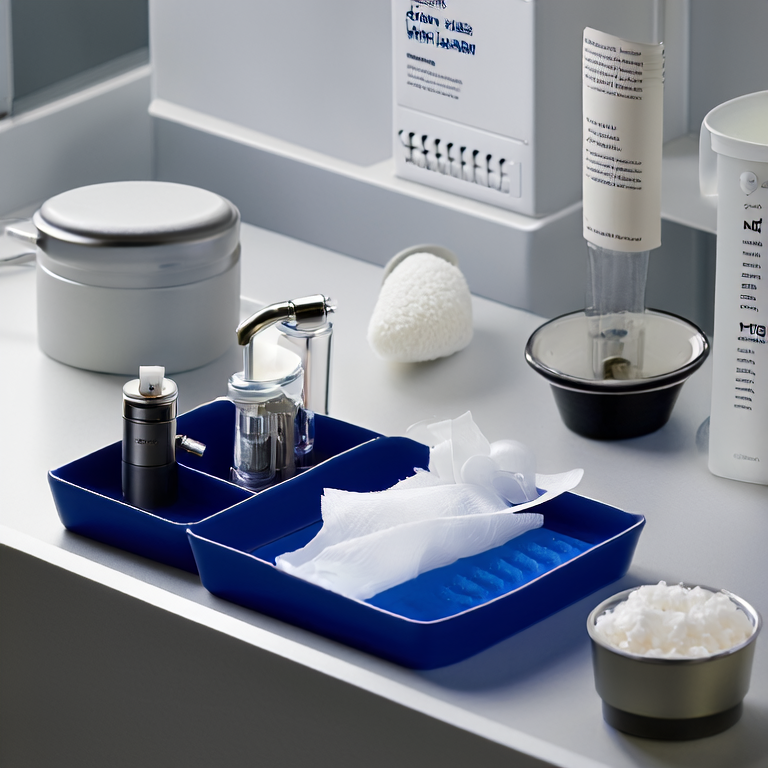
Using a nebulizer is essential for managing respiratory conditions, and proper cleaning is crucial to prevent bacterial contamination. Leading Nebulizer Manufacturers like Philips Respironics and Pari suggest following thorough cleaning routines to ensure effective treatment. This article outlines step-by-step instructions for cleaning your nebulizer, highlighting the importance of hygiene to avoid infections and promote overall health.
Why Cleaning Your Nebulizer is Critical
- Understanding Bacterial Contamination
- Bacteria can thrive in nebulizers if they are not cleaned properly, leading to respiratory infections.
- According to the CDC, proper hygiene practices can reduce the risk of infection, especially in patients with compromised immune systems.
- Impacts on Treatment Effectiveness
- Contaminated nebulizers can impair medication delivery, resulting in suboptimal symptom control.
- Cleansing minimizes residue build-up, ensuring effective nebulization of medication.
Supplies You Will Need
- Warm, soapy water (mild dish soap recommended)
- Clean, disinfected rinse water
- Cotton cloth or towel
- Designated cleaning area
- Optional: vinegar or hydrogen peroxide for extra disinfecting
Step-by-Step Cleaning Process
- Daily Cleaning Routine
- Prepare your cleaning area by ensuring it is clean and disinfected.
- Disassemble the nebulizer according to manufacturer instructions, separating the medication cup, mouthpiece, and tubing.
- Wash all parts (except for the tubing) in warm, soapy water. Use your fingers to gently scrub away any medication residue.
- Rinse thoroughly under running water to remove soap residue.
- Air dry on a clean towel or drying rack, avoiding direct sunlight.
- Weekly Disinfection
- After the daily cleaning, prepare a disinfection solution (1 part vinegar to 3 parts water or use hydrogen peroxide).
- Soak the nebulizer parts (excluding tubing) in the solution for 20-30 minutes.
- Rinse with clean water and dry as instructed above.
- Tubing Maintenance
- Check the manufacturer’s recommendations regarding tubing replacement frequency.
- Clean the tubing according to manufacturer instructions, usually involving rinsing with clean water and allowing it to air dry.
Storage Tips for Your Nebulizer
- Ensure Dryness Before Storing
- Store your nebulizer components in a clean, dry area to minimize the risk of bacterial growth.
- Designate a Safe Storage Spot
- Avoid storing near sinks or areas with moisture to prevent contamination.
Important Reminders
- Always refer to your specific nebulizer manufacturer’s cleaning guidelines for best practices.
- Regularly inspect your nebulizer for signs of wear and tear, and replace parts as needed.
- Consult with your healthcare provider if you experience any respiratory symptoms while using a nebulizer.
Conclusion: Keeping Your Nebulizer in Top Condition
- Maintaining cleanliness is essential for ensuring the efficacy of your nebulizer and the safety of your treatments.
- By following these cleansing steps, you can significantly reduce the risks associated with bacterial contamination.
- For further information, visit reputable health resources such as CDC.gov or consult your healthcare provider.
What Else You Should Know
- Signs of Nebulizer Contamination
- Frequent coughing or phlegm production may indicate a problem with your nebulizer's cleanliness.
- Unusual tastes or smells during nebulization can signal contamination.
- Utilizing a Nebulizer in a Shared Space
- Be cautious when using a nebulizer in shared living spaces; thorough cleaning is imperative.