Introduction to Home Blood Pressure Monitoring
Understanding Blood Pressure and Its Importance
Blood pressure is a vital health indicator. Monitoring it at home helps in early detection of potential health issues. Using a reliable blood pressure monitor like those offered by YIDE ensures you get accurate readings.
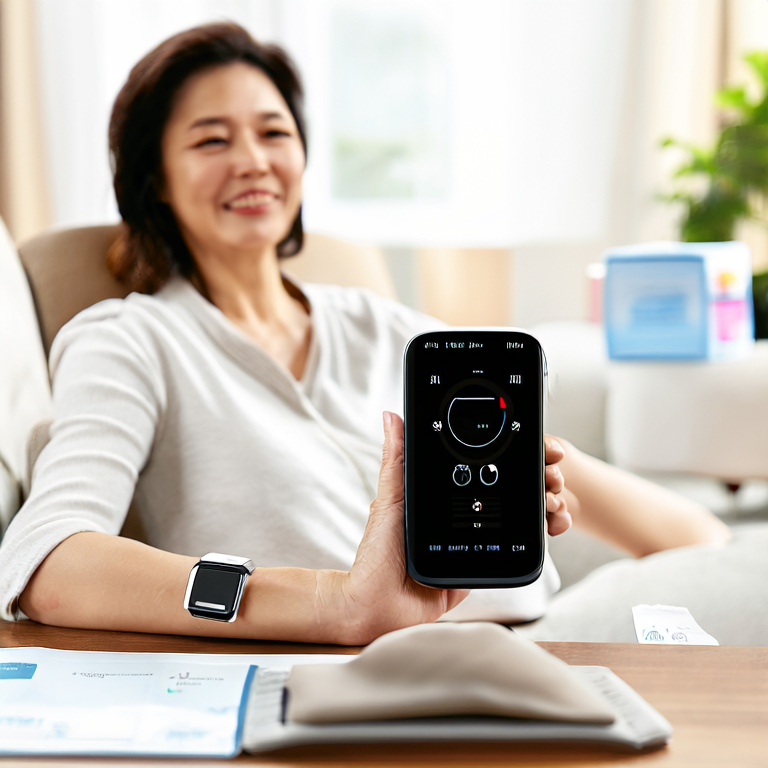
Required Tools for Accurate Measurement
What You Need Before You Start
To correctly measure blood pressure at home, you will need:
- A digital or manual blood pressure monitor
- A comfortable chair and flat surface
- A stopwatch or timer
- A notebook or app to record your readings
Step-by-Step Guide to Measuring Blood Pressure
First Step: Prepare for Measurement
- Ensure you sit quietly for at least 5 minutes.
- Avoid caffeine, smoking, or exercise for 30 minutes prior.
- Uncross your legs and keep your feet flat on the ground.
Second Step: Position Yourself Correctly
- Sit in a chair with back support.
- Place your arm at heart level on a flat surface.
- Ensure your cuff is placed correctly above your elbow.
Third Step: Taking the Reading
- If using a digital monitor, press the start button.
- For manual monitors, inflate the cuff until the gauge reads about 30 mmHg above your normal systolic pressure.
- Slowly release the pressure and listen for the heartbeat using a stethoscope (if applicable).
Fourth Step: Record Your Readings
- Once you have your readings (systolic and diastolic), write them down immediately.
- Take two or three readings for consistency and record the average.
Common Mistakes to Avoid
Ensure Accuracy in Your Measurements
- Avoid measuring after vigorous activity.
- Do not rush the measurement; take your time.
- Ensure the cuff fits properly; too loose or too tight can affect results.
- Refrain from talking during the measurement process.
- Don't forget to measure at the same time each day for consistency.
Conclusion
Measuring blood pressure at home can provide valuable insights into your health. By following the steps outlined above with a YIDE blood pressure monitor, you can ensure your readings are accurate and reliable. Regular monitoring can lead to better health outcomes.