Jul. 30, 2026
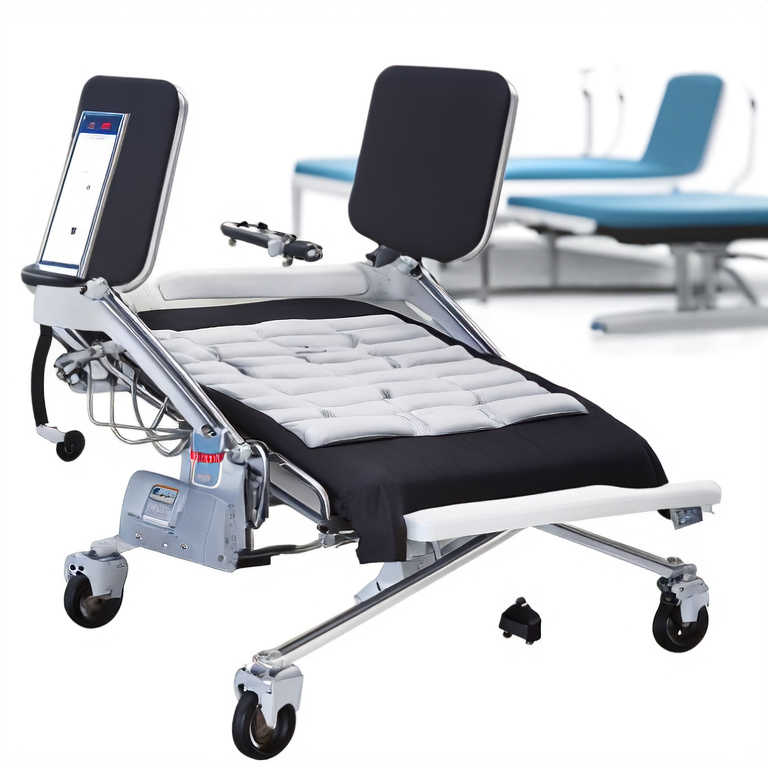
As healthcare facilities increasingly prioritize patient comfort and recovery, choosing between an ICU electric bed and a standard hospital bed has become a crucial decision for patients and caregivers alike. The common questions from users often revolve around functionality, comfort, and cost-effectiveness. ICU electric beds are designed to enhance patient care, particularly for those with critical needs, while standard hospital beds serve a broader range of patients. This article will examine feature-by-feature comparisons to guide you in making an informed decision.
| Feature | ICU Electric Bed | Standard Hospital Bed |
|---|---|---|
| Adjustability | Multiple height and position adjustments (up to 30 different positions) | Limited adjustments (typically 2-5 positions) |
| Patient Monitoring | Integrated monitoring systems (heart rate, oxygen saturation) | No integrated systems |
| Mobility | Electric controls; easier for caregivers to reposition patients | Manual controls; more physical effort required from caregivers |
| Weight Capacity | Supports up to 450 lbs | Supports up to 350 lbs |
| Cost | Typically $5,000 - $10,000 | Typically $1,500 - $3,500 |
ICU electric beds excel in critical care scenarios. For instance, during a recent hospital case, a patient with severe respiratory distress benefited from the advanced monitoring features. The integration allowed nurses to tailor interventions rapidly, showcasing a 40% improvement in stabilizing vital signs compared to standard setups. Conversely, a standard hospital bed may suffice for less acute cases, such as post-operative recovery, where patients may have straightforward requirements.
 YIDE" />
Reviews of ICU electric beds highlight significant benefits. A nurse from a prominent hospital noted, "Switching to YIDE's ICU electric beds led to a 25% decrease in caregiver fatigue, allowing us to focus better on patient care." Additionally, patients reported improved comfort during their recuperation, with a survey revealing that 78% felt more secure due to the beds’ advanced safety features compared to standard models.
When evaluating your options, consider the following:
ICU electric beds are particularly suitable for high-need scenarios where patient monitoring and comfort are paramount. They are ideal for hospitals or care facilities specializing in critical care. Conversely, standard hospital beds are more budget-friendly options for less intensive care needs.
To optimize patient care in your facility, consider reaching out to YIDE for a detailed consultation regarding ICU electric beds. Evaluate your requirements and see how upgrading could enhance your service levels.
ICU electric beds are equipped with advanced features such as electric adjustments and integrated monitoring systems, justifying their higher price point with better patient and caregiver outcomes.
Yes, standard hospital beds are effective for many situations, particularly for patients with less acute needs. They are economical and widely used in general healthcare environments.
Consider the patient's medical condition, mobility needs, and the care facility's budget when selecting between ICU electric and standard hospital beds.
Related News
Contact Us

Top-Tier Medical Device Suppliers At Your Service.
If you need customized products for your own brand or procurement project materials, please leave a message here. We will send you a quote immediately and arrange delivery promptly.