Jul. 09, 2026
A knee immobilizer is a supportive device designed to keep the knee joint in a fixed position to limit movement. It is typically recommended after surgery or injury to ensure proper healing. These devices are often lightweight and adjustable for comfort.
A hinged knee brace is designed to allow controlled movement of the knee while providing stability. It often includes adjustable hinges that permit certain ranges of motion while protecting the knee from stress during recovery.
| Feature | Knee Immobilizer | Hinged Knee Brace |
|---|---|---|
| Stability | High stability, restricts all movement | Moderate stability, allows controlled movement |
| Comfort | Often less comfortable for extended wear | More comfortable, designed for longer use |
| Adjustability | Limited adjustability | Highly adjustable for different motion ranges |
| Indications | Post-surgery rehabilitation | Rehabilitation and support during physical therapy |
| Weight | Lightweight but bulkier | Generally lightweight and slim fit |
Users generally find hinged knee braces to be more comfortable during the recovery phase, as they provide a better fit and allow for slight flexion. In contrast, knee immobilizers can feel bulky and restrictive over longer periods, leading to discomfort.
Knee immobilizers offer superior stability immediately following surgery, making them ideal for individuals who need to prevent any movement. However, once the initial healing period is over, users often prefer a hinged knee brace for its ability to provide the necessary support while allowing some level of mobility.
Knee immobilizers are best suited for patients in the early stages of recovery following orthopedic surgery or significant ligament injuries where complete immobilization is necessary for healing.
Hinged knee braces are ideal for patients who are transitioning from rehabilitation post-surgery to regaining full range of motion. They offer the necessary support while enabling gradual re-introduction of movement.
In conclusion, both knee immobilizers and hinged knee braces have their place in post-surgery rehabilitation. By understanding their differences and considering individual recovery needs, one can make an informed decision. For quality knee immobilizers, consider our offerings from YIDE.
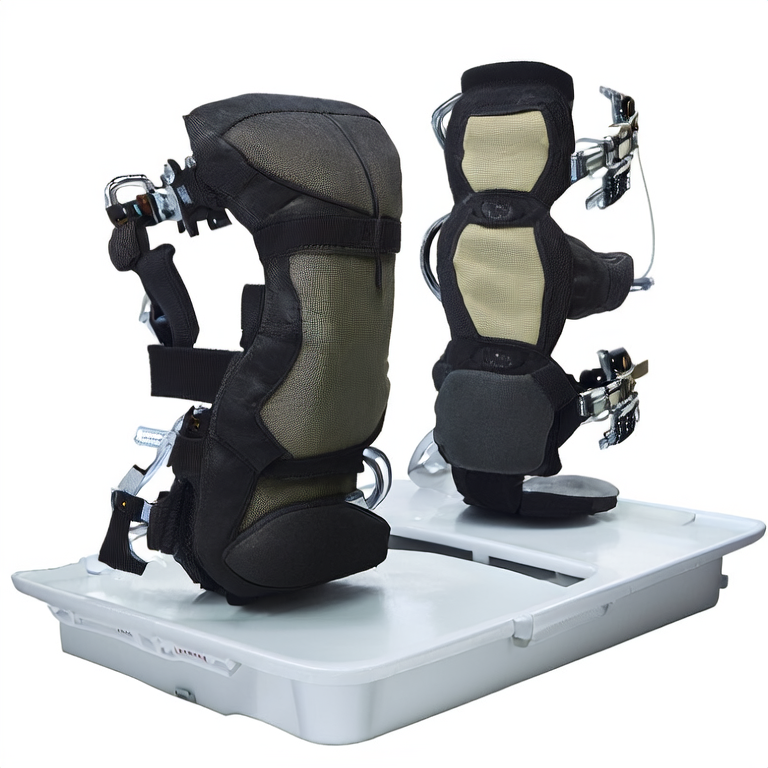 YIDE Knee Immobilizers" />
Related News
Contact Us

Top-Tier Medical Device Suppliers At Your Service.
If you need customized products for your own brand or procurement project materials, please leave a message here. We will send you a quote immediately and arrange delivery promptly.