Jul. 31, 2026
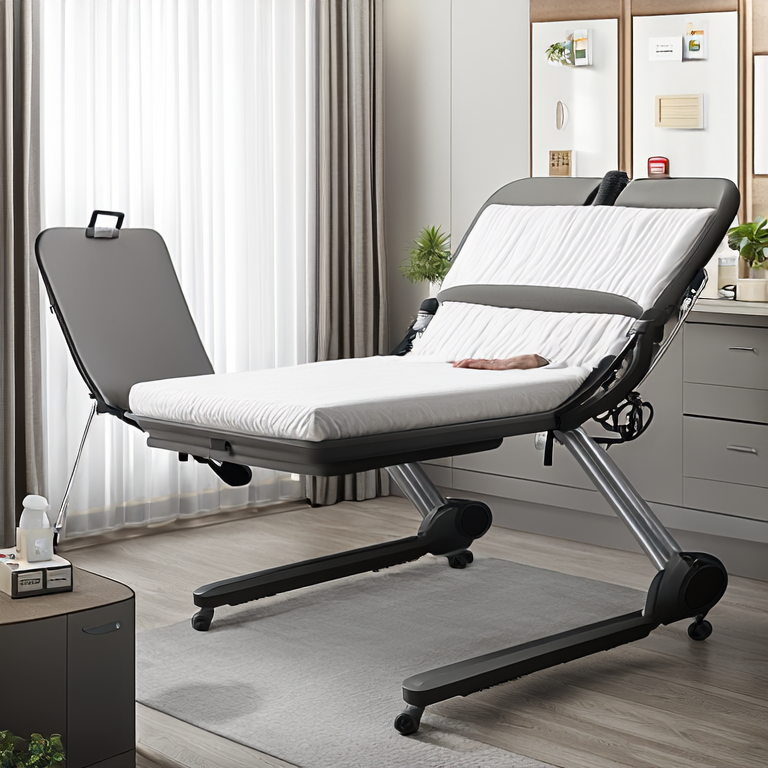
When selecting a hospital bed for long-term home care, key features to consider include adjustability, weight capacity, size, mobility, and safety features. Understanding these elements will help in making an informed decision suited to individual needs.
| Feature | Manual Hospital Bed | Electric Hospital Bed |
|---|---|---|
| Adjustability | Manual adjustments | Remote-controlled adjustments |
| Weight Capacity | Standard (up to 350 lbs) | Higher options (up to 600 lbs) |
| Battery Life | N/A | Varies (4-24 hours based on model) |
| Stability | Depends on design | Generally higher due to motorized support |
Battery life can vary widely among electric hospital beds, typically lasting anywhere from 4 to 24 hours on a full charge. Stability is also crucial; many electric beds offer enhanced stability due to their design, making them safer for patients who may require additional support.
Manual hospital beds are often suitable for those on a tighter budget, or for caregivers who are comfortable adjusting the bed without assistance. These beds are ideal for short-term use or in environments where electricity may be unreliable.
Electric hospital beds are recommended for long-term home care scenarios, particularly for individuals with limited mobility. They offer greater comfort and ease of use and are ideal for patients who require frequent adjustments to their position.
In conclusion, both manual and electric hospital beds have their unique advantages and disadvantages. It's essential to consider the specific needs and conditions of the user when making a decision. As an Electric Hospital Bed Manufacturer, YIDE provides a variety of options to cater to different user requirements. For more information, visit our website or contact our sales team.
Related News
Contact Us

Top-Tier Medical Device Suppliers At Your Service.
If you need customized products for your own brand or procurement project materials, please leave a message here. We will send you a quote immediately and arrange delivery promptly.