Jun. 11, 2026
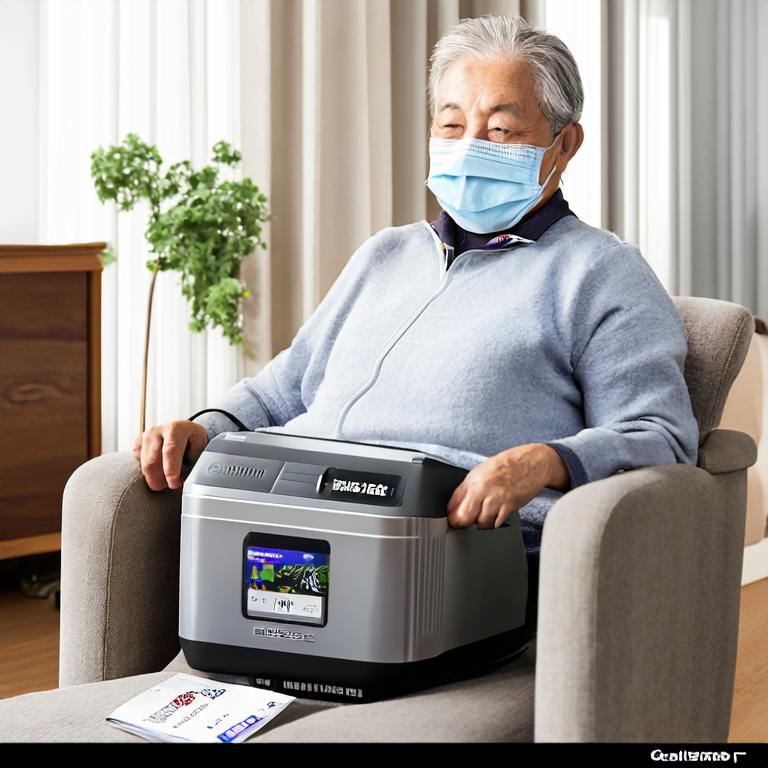
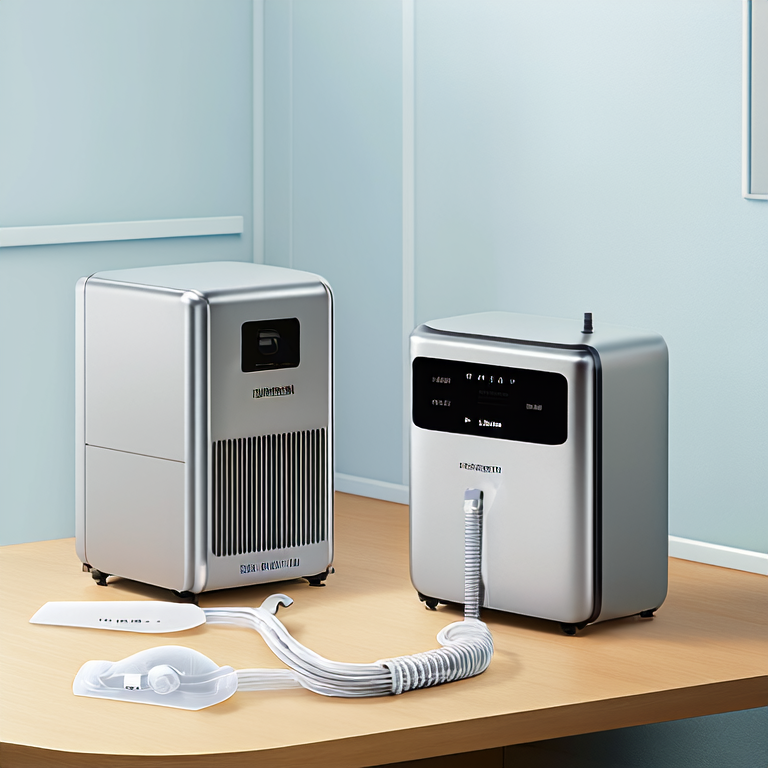
As global demand for respiratory care continues to grow, the Oxygen Concentrator has become one of the most important medical devices in hospitals, clinics, rehabilitation centers, nursing homes, and home healthcare environments. Compared with traditional oxygen cylinders, oxygen concentrators provide a continuous oxygen supply, lower operating costs, and greater convenience for both healthcare providers and patients.
For distributors, healthcare institutions, medical equipment importers, and procurement managers, understanding how an Oxygen Concentrator works and what factors influence purchasing decisions is essential for achieving long-term value and patient satisfaction.
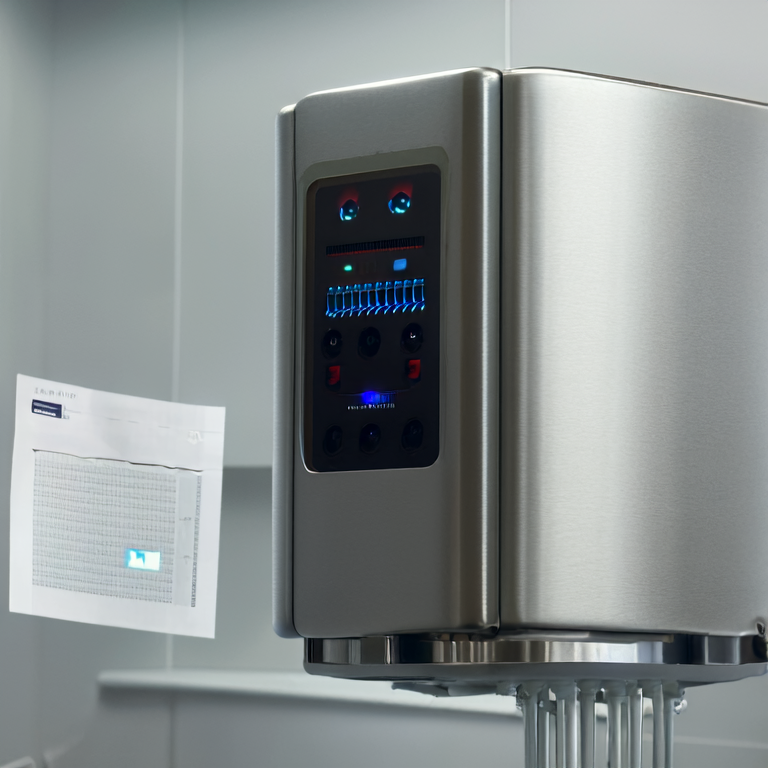
An Oxygen Concentrator is a medical device that extracts oxygen from ambient air and delivers concentrated oxygen to users requiring supplemental oxygen therapy.
Unlike oxygen tanks that store compressed oxygen, oxygen concentrators continuously generate oxygen through Pressure Swing Adsorption (PSA) technology, making them a reliable and cost-effective solution for long-term oxygen therapy.
Modern oxygen concentrators are widely used in:
Hospitals
Emergency departments
Respiratory clinics
Nursing homes
Rehabilitation centers
Home healthcare
High-altitude medical facilities
Veterinary healthcare
With oxygen purity levels typically reaching 90%–96%, these systems provide a dependable oxygen source for a variety of medical and wellness applications.
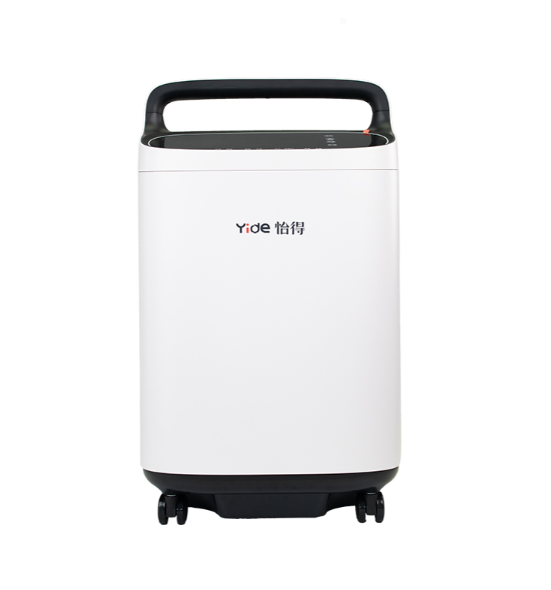
The operating principle of an Oxygen Concentrator is based on molecular sieve technology.
The process includes:
Ambient air enters the machine through filtration systems designed to remove dust and airborne contaminants.
An oil-free compressor pressurizes the filtered air.
The compressed air passes through molecular sieve beds containing zeolite material, which selectively adsorbs nitrogen.
The remaining concentrated oxygen is delivered to the user through a nasal cannula, oxygen mask, or oxygen therapy system.
The PSA system alternates between sieve beds to provide uninterrupted oxygen production.
This efficient process allows oxygen concentrators to operate continuously for extended periods while maintaining stable oxygen concentration levels.
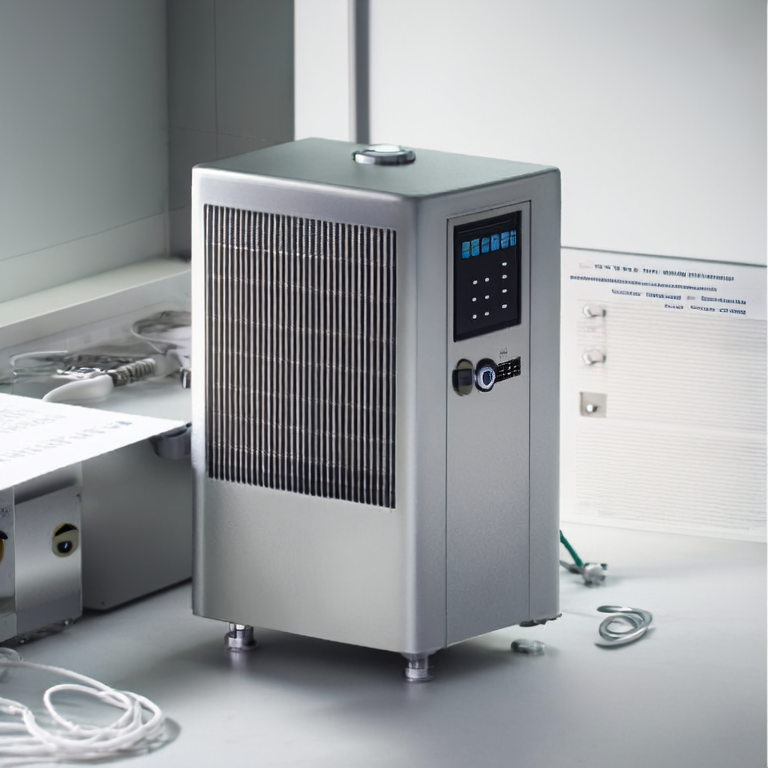
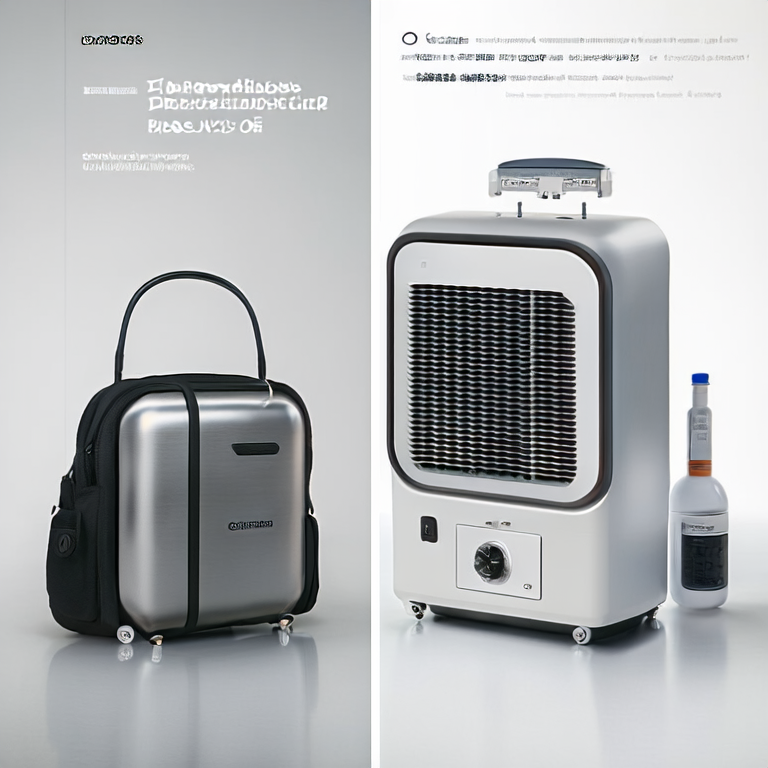
Stationary models are commonly used in hospitals, clinics, and home care settings.
Advantages include:
Higher flow rates
Continuous operation
Stable oxygen output
Lower long-term operating costs
Portable systems are designed for mobility and active lifestyles.
Benefits include:
Lightweight construction
Rechargeable battery operation
Travel-friendly design
Improved patient independence
High-flow units support patients requiring larger oxygen volumes.
Applications include:
Intensive care environments
Respiratory treatment centers
Long-term care facilities
The increasing adoption of Oxygen Concentrators is driven by several important advantages.
Continuous Oxygen Supply
No need for frequent cylinder replacement.
Reduced Operating Costs
Lower long-term expenses compared with bottled oxygen systems.
Improved Patient Convenience
Simple operation supports both professional and home care environments.
Enhanced Safety
Eliminates many risks associated with high-pressure oxygen cylinders.
Reliable Oxygen Purity
Advanced PSA technology maintains stable oxygen concentration levels.
The versatility of the Oxygen Concentrator makes it suitable for various healthcare environments.
Supports respiratory therapy, post-operative care, and emergency treatment.
Provides long-term oxygen therapy for patients requiring continuous respiratory support.
Improves oxygen accessibility for elderly residents.
Assists recovery programs involving pulmonary and cardiovascular conditions.
Used in animal oxygen therapy and emergency veterinary care.
Selecting the right Oxygen Concentrator involves evaluating both clinical performance and long-term operational value.
Different patients and facilities require different oxygen output capacities.
Common ranges include:
1–5 LPM
5–10 LPM
High-flow configurations
Buyers should verify oxygen concentration consistency across different flow settings.
The compressor directly affects equipment lifespan and operating performance.
Lower noise output improves patient comfort, especially in home healthcare environments.
Efficient systems help reduce operating costs for long-term use.
Easy access to filters and serviceable components simplifies maintenance procedures.
Important features include:
Low oxygen concentration alarms
Power failure alarms
Overheating protection
Pressure monitoring systems
Healthcare facilities should ensure compliance with applicable medical device standards and certifications.
For hospitals and healthcare distributors, reliability and oxygen performance are often more important than initial purchase price.
Yide Medical Oxygen Concentrators are designed to deliver stable oxygen concentration, dependable airflow, and long-term operational performance. Through advanced PSA technology, high-quality molecular sieve systems, and efficient oil-free compressors, the equipment provides consistent oxygen output suitable for diverse clinical and home healthcare applications.
Healthcare professionals value oxygen concentrators that combine low noise operation, energy efficiency, user-friendly controls, and durable construction. Through strict manufacturing processes, comprehensive quality inspections, and continuous product development, Yide Medical helps healthcare providers improve respiratory care delivery while reducing equipment downtime and maintenance costs.
As demand for respiratory support solutions continues to expand globally, dependable oxygen concentrator technology remains an essential investment for healthcare institutions and distributors alike.
The oxygen therapy industry continues to evolve through innovations such as:
Smart oxygen monitoring systems
Remote patient management
Improved molecular sieve materials
Energy-efficient compressors
Lightweight portable designs
IoT-enabled healthcare integration
These advancements are expected to improve both clinical outcomes and patient quality of life.
The Oxygen Concentrator has become a cornerstone of modern respiratory care. By providing continuous oxygen generation, stable purity levels, and cost-effective operation, it serves a critical role in hospitals, rehabilitation centers, nursing homes, and home healthcare settings.
When selecting an Oxygen Concentrator, buyers should carefully evaluate oxygen output, purity stability, safety features, energy efficiency, maintenance requirements, and supplier support capabilities. Choosing a trusted manufacturer helps ensure reliable performance and long-term value.
Yide Medical specializes in manufacturing advanced Oxygen Concentrators for hospitals, distributors, healthcare institutions, medical equipment importers, and home healthcare providers worldwide.
Contact our team today for product catalogs, technical specifications, quotations, OEM services, and customized respiratory care solutions.
Related News
How to Set Up a Home Oxygen Concentrator Safely for COPD Patients
Top Signs Your Oxygen Concentrator Needs Maintenance or Replacement
How Long Can an Oxygen Concentrator Run Continuously Without Risk?
Portable vs Stationary Oxygen Concentrators: Key Differences Explained
5L vs 10L Oxygen Concentrator: Which Flow Rate Is Right for Home Patients?
Contact Us

Top-Tier Medical Device Suppliers At Your Service.
If you need customized products for your own brand or procurement project materials, please leave a message here. We will send you a quote immediately and arrange delivery promptly.