Jun. 17, 2026
Medical Oxygen Concentrator vs Portable Oxygen Concentrator is a key decision for hospitals, clinics, distributors, and home-care suppliers when selecting oxygen therapy equipment. Both devices serve the same core purpose—delivering concentrated oxygen—but they differ significantly in capacity, usage environment, mobility, and procurement strategy.
This guide explains who needs each type, why the differences exist, and how buyers can choose the right solution for medical or commercial applications.
Medical Oxygen Concentrator is typically used in hospitals, clinics, and long-term care facilities where continuous oxygen supply is required. It is designed for high durability, stable output, and multi-patient usage environments.
Portable Oxygen Concentrator is designed for patients who need oxygen therapy while moving, such as home-care users, elderly patients with limited mobility, or travelers requiring intermittent oxygen support.
The core decision in Medical Oxygen Concentrator vs Portable Oxygen Concentrator depends on whether the priority is continuous clinical output or mobility and convenience.
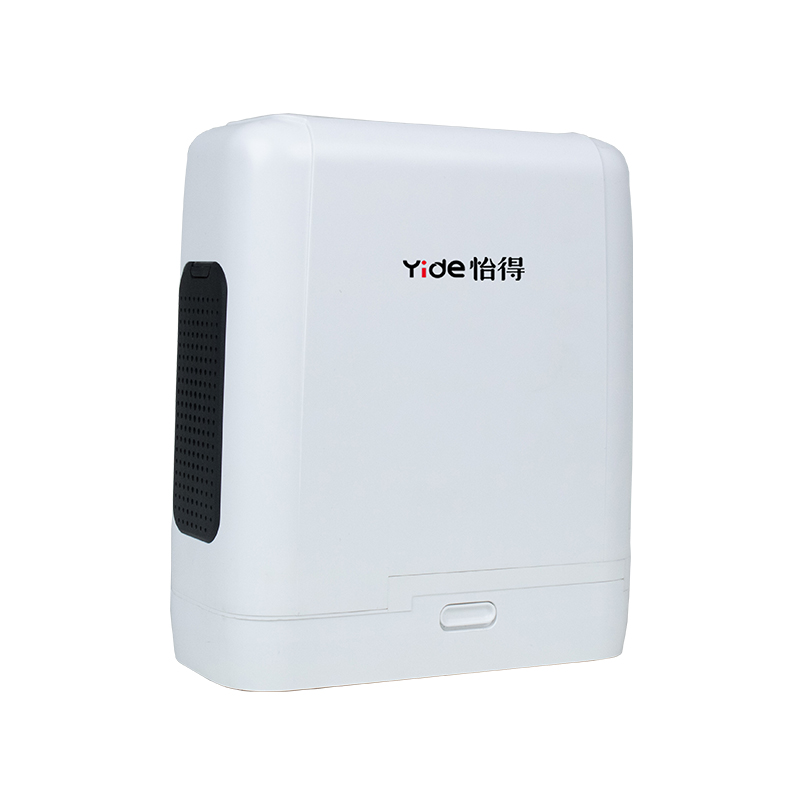
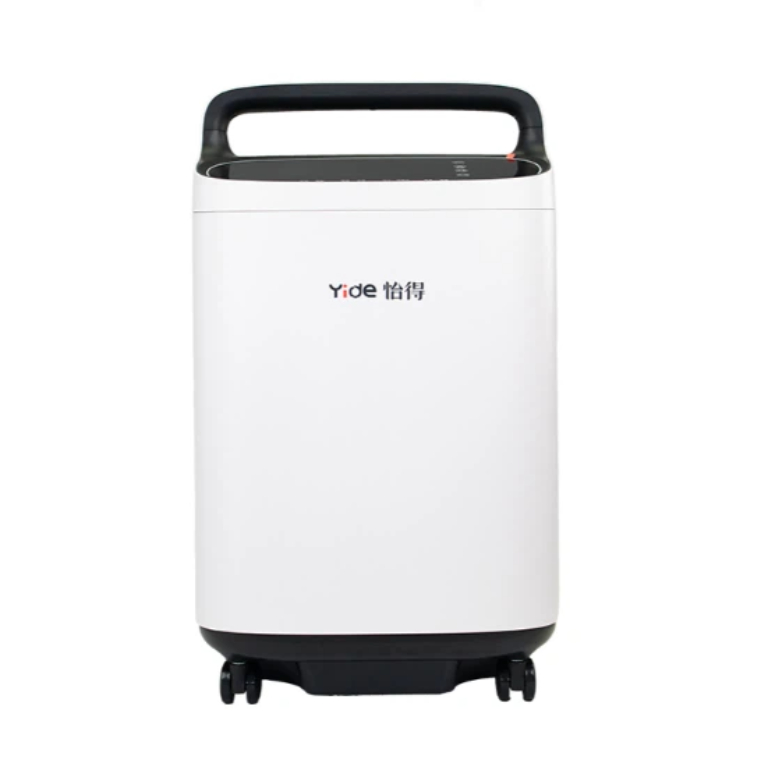
Portable & Home Oxygen Concentrator KPA-7
The distinction between Medical Oxygen Concentrator vs Portable Oxygen Concentrator comes from usage scenarios and oxygen demand levels.
Medical-grade systems are built to handle:
Portable units are designed for:
This separation exists because oxygen therapy needs vary between stationary medical care and mobile patient support.
When comparing Medical Oxygen Concentrator vs Portable Oxygen Concentrator, buyers should evaluate several critical factors:
For distributors and hospital procurement teams, scalability and long-term service stability are often more important than portability.
In Medical Oxygen Concentrator vs Portable Oxygen Concentrator systems, both usually rely on PSA (Pressure Swing Adsorption) technology, but their internal structures differ.
Medical systems typically include:
Portable systems include:
Understanding structure differences helps buyers avoid overpaying for unnecessary features or under-specifying clinical requirements.
In Medical Oxygen Concentrator vs Portable Oxygen Concentrator procurement, several mistakes are common:
These mistakes often lead to equipment failure, higher maintenance costs, or patient dissatisfaction.
Before finalizing Medical Oxygen Concentrator vs Portable Oxygen Concentrator orders, buyers should confirm:
These parameters directly affect clinical reliability and long-term operational cost.
YIDE provides both Medical Oxygen Concentrator and Portable Oxygen Concentrator solutions designed for different healthcare environments.
For hospital and clinic use, YIDE medical oxygen systems focus on:
For home-care and mobility users, YIDE portable systems offer:
Whether for bulk hospital procurement or distributor expansion, YIDE provides OEM/ODM customization to match different market requirements.
What is the main difference between Medical Oxygen Concentrator vs Portable Oxygen Concentrator?
Medical models focus on continuous high-output oxygen delivery, while portable models prioritize mobility and short-term use flexibility.
Can portable oxygen concentrators be used in hospitals?
They are generally not suitable for continuous hospital-grade oxygen therapy due to limited flow capacity.
Which device is better for home use?
It depends on patient mobility. Stable patients may use medical units, while mobile users benefit more from portable systems.
How long do oxygen concentrators last?
With proper maintenance, most devices last 3–7 years depending on usage intensity.
Is oxygen purity the same in both types?
Both typically maintain 90–96% purity, but stability varies under different load conditions.
YIDE Medical Equipment Team
If you are evaluating Medical Oxygen Concentrator vs Portable Oxygen Concentrator for distribution, hospital procurement, or OEM manufacturing, YIDE provides full technical support and customized solutions.
Request a Custom Quote
Related News
Indoor vs Outdoor Walkers: Key Features to Look for Before Buying
Walker Maintenance Tips: When to Replace Rubber Tips and Wheels
How to Choose a Walker for Stroke or Hip Replacement Recovery
Folding vs Non-Folding Walkers: Best Option for Travel and Storage
How to Adjust a Walker to the Correct Height for Safe Daily Use
Two-Wheel vs Four-Wheel Walker: Which Is Safer for Older Adults?
Upright Walker vs Traditional Walker: Posture and Mobility Benefits Compared
Standard Walker vs Rollator: Which Offers Better Stability for Seniors?
Warning Signs That Your Nebulizer Needs Servicing or Replacement
Contact Us

Top-Tier Medical Device Suppliers At Your Service.
If you need customized products for your own brand or procurement project materials, please leave a message here. We will send you a quote immediately and arrange delivery promptly.